Photo Editing: Harley's Story
- Christine Dazzo
- Apr 27, 2020
- 5 min read

Updated: May 1, 2020
Children around the world face a daily struggle on whether or not their basic necessities will be met. Amachi’s mission is to assist children living under these circumstances and guide them to reach their highest potential. The living conditions that these children face directly affect the way they perceive life. By creating a strong mentor and mentee relationships, these children can see more for themselves in their future.
The light principle is demonstrated in this photo due to the dark lighting and low exposure that creates depth and drama. I used this principle to emphasize the unsafe and scary living situation that Harley encounters. The story begins with this photo because it sets a tone for the viewer.
The text was added to this image in order to give a sense of location to the viewer to add another emotional aspect to the story. The font used is Avenir and says “Midland Avenue, Lexington” to reflect a bad area in town. The white color is used to stand out against the dark background and the text is placed on the bottom left corner.

This is Harley, a 10-year-old girl living in the neighborhood pictured above. You can see the sadness in her eyes from the trauma and challenges she has faced already in her short life. She doesn't have clean clothes, a balanced diet, or the opportunity for education due to her mother being absent most of the time.
The perspective principle was used when shooting this photo to emphasize the sadness in Harley’s eyes. This principle was demonstrated by the up angle in which changes the way a person would normally view the subject. This principle adds depth and emotion to the photograph that begins telling her story.
I increased the contrast and lower the brightness to create depth around her face. By combining these principles, it makes the photo come off as dark and sad to portray the emotions that Harley felt before Amachi.

She is jealous of the other kids that have the opportunity to go to school, get an education, and meet friends. Although going to school isn’t in the budget for Harley which makes her feel unmotivated and upset. Harley wants to have friends to play with and live the same happy life that she sees others live.
This photo uses both the rule of thirds and perspective photography principles. The rule of thirds is used in the photo by following the "right to left" technique that represents the way people read. This strategy can also be used with photos! I chose to put Harley on the left to be the main focus and the school to the right of her to give a sense of location. The perspective principle was demonstrated by capturing the photo at a low angel to express dramatic emotion.
I increased the contrast for the photo to reflect the sadness and feelings of disadvantage that Harley experiences because she wishes she could go to school. She is reminiscing on the life that she wishes she could live which is why contrast is needed to create drama.

Harley owns one beat-up book that she cherishes because it makes her feel like she fits in. She had always dreamed of getting an education and having an endless supply of books. Although Harley's mom doesn’t receive a steady income and spends the minimal money they have elsewhere. Harley was always curious about what other books were about but no matter how many times she asked, she never got one.
This photo uses both the light and perspective principles of photography. The light principle was used with the blacklight technique that puts the natural light behind the subject. The perspective principle was used to look at the book from a "worm point of view". By changing the perspective, it makes the reader think and see the book in a new way.
I chose to increase the contrast on this photo and use text to write “dream.” in Avenir font placed in the middle of the photo. The white, Avenir font stands out in the photo and portrays Harley’s dream to own many books.

One day, Harley’s mother was introduced to the non-profit organization, Amachi. The program would provide Harley with a mentor that will be matched with her specific needs to provide a friend and positive role model for Harley.
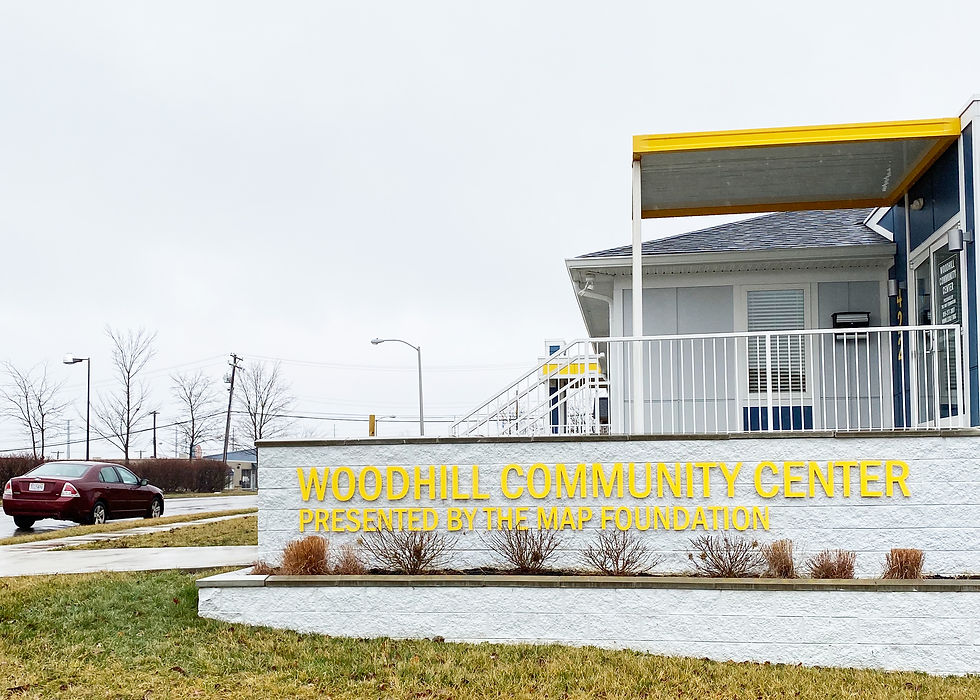
This photograph uses the rule of thirds principle in order to capture the sign as the main focus of the photo. The rule of thirds is demonstrated by placing the sign in the bottom portion of the photo. It helped me to have a grid template in mind when capturing the photo and then placing the sign a specific portion of the frame.
I added contrast while also brightening the photo to emphasize that Amachi is a happy and inviting place. By brightening the photo, the building looks more welcoming and by increasing contrast, the sign is easier to read.
After Harley and her mother learned about the Amachi program, they decided it sounded like something she would benefit from. Harley was able to get paired with a mentor that was strategically matched for her. They clicked as soon as they met. Harley was so happy to have a friend and something to look forward to weekly.
The rule of thirds principle is being used to capture the intensity of the relationship between Harley and her mentee. This principle is demonstrated by the subjects being placed on the left side of the screen, making them the main focus. The background is not distracting ensuring that the viewer will receive a clear message.
I chose to brighten this photo in order to show that the experience that Amachi has had on Harley has been positive and uplifting. I also decided to combine techniques and add text to the photo. It is in Avenir font and says “a perfect match” at the right-hand corner. The text and the photo connect by picturing Harley and her mentee.

Amachi was able to provide Harley with all of the things she felt were missing. She was given many books that she loved, new clean clothes, and a positive mentor-mentee relationship. She now has the opportunity to learn and read books like the other kids she wished to be like.
This photo uses the perspective principle mainly focusing on the hands of two people making an exchange. This shot was taken straight on as if you were watching the exchange happen in front of you. It focuses on how much the exchange meant to Harley even though these are things that are often taken for granted.
I added contrast to further dramatize that the main focus of the photo is the exchange between Harley and her mentee of items that children usually take for granted. Although, this exchange meant a lot to Harley because these are things she had always wished of.

This is Harley after she had been part of the Amachi program for a year. She is beaming from ear to ear due to the overwhelmingly positive impact Amachi has had on her thus far. She is now goal-driven, loves to learn, and picks up a book whenever she gets the chance. Without Amachi, Harley would make negative life choices and not see a strong future for herself. Harley is happy and looks forward to the quality time spent with her mentor weekly.
This photo uses the light principle to emphasize the happiness that Harley now feels after she joined Amachi. This is demonstrated by facing the subject to the light and taking the photograph with the photographers back to the light. This bright photo conveys joy and shows how much the program has positively affected Harley.
I increased the brightness of this photo to make Harley look happy and healthy. I also used white Avenir text to write "see the change" in the middle on the right-hand side to refer back to the photo of Harley before Amachi. This bright photo conveys joy and creates a happy ending for the story. All fonts throughout the photos are the same to create cohesion


Comments